
How Alcohol Affects Your Skin: The Surprising Truth Revealed
It’s essential to consult a dermatologist to determine the best course of action, especially since repeated treatments may be necessary for optimal results. It’s a systemic issue that starts with restricted blood flow and nutrient depletion, culminating in a dull, lifeless appearance. But with mindful habits—hydration, nutrition, and smart skincare—you can mitigate the damage and reclaim that healthy glow.
About Medical News Today
This exacerbation can lead to more severe flare-ups and discomfort for those with eczema. It acts as a diuretic, increasing urine production and flushing out essential nutrients like biotin and vitamin B12, both crucial for healthy hair and nail growth. how alcohol affects your skin This nutrient depletion, coupled with direct dehydration, leads to a cascade of visible damage.

How does drinking alcohol affect skin conditions like rosacea?
Alcohol is a well-known trigger for rosacea flare-ups and can significantly worsen its symptoms. When you drink alcohol, your blood vessels dilate, increasing blood flow to the skin. This causes facial flushing and redness, two hallmark signs of rosacea, to become more pronounced and longer-lasting. In 2019, a scientific study found that people who downed more than 8 drinks a week significantly contributed to facial ageing. This included things like under-eye puffiness, facial lines, and visible blood vessels across the face.
Chronic dehydration caused by alcohol consumption can lead to the gradual breakdown of these crucial proteins. As collagen and elastin diminish over time, our skin loses its ability to “snap back” into place, resulting in sagging and a loss of firmness. Fine lines and wrinkles become more pronounced, and our skin appears less resilient. Impaired nutrient absorption also affects the production of collagen and elastin, proteins that maintain skin firmness and elasticity. Alcohol disrupts the balance of these proteins, causing the skin to lose its structure and appear dull. Additionally, alcohol depletes the body’s stores of zinc, a mineral essential for skin repair and regeneration.
Drink Every Other Day—Or Less
Think of it as a temporary stranglehold on your complexion’s lifeline. Less blood flow means fewer nutrients and oxygen reach skin cells, starving them of the fuel they need to glow. Over time, this isn’t just a hangover effect—it’s a cumulative dulling of your skin’s natural radiance. Collagen and elastin are two essential proteins in our skin that are responsible for maintaining its elasticity and firmness.
How Alcohol Affects Your Skin, According to a Dermatologist
Chronic alcohol consumption weakens immune responses, impairing the body’s ability to distinguish between harmful substances and harmless ones. This can lead to increased sensitivity to allergens, including those present in alcoholic beverages themselves, such as grains, sulfites, or yeast. Such sensitivities can manifest as itchy skin, rashes, or swelling, particularly in individuals with underlying allergies or intolerances. Everyone’s skin reacts differently to alcohol based on genetics, existing skin conditions, lifestyle factors, and how much they drink. People with naturally sensitive skin, rosacea, or autoimmune skin conditions typically experience more severe impacts.
Excessive Alcohol Can Cause Bacterial Skin Infections
Generalised skin itching (pruritus) may occur due to the build up of poorly metabolised substances that stimulate nerve endings in the skin. These substances may include bile salts, histamine, corticosteroids and opioids. Jessica Migala is a freelance writer with over 15 years of experience, specializing in health, nutrition, fitness, and beauty. She has written extensively about vision care, diabetes, dermatology, gastrointestinal health, cardiovascular health, cancer, pregnancy, and gynecology.
Does the skin become more hydrated after quitting alcohol?
- And if you’re already damaging it through drinking, it’s only fair to give it the chance to recover.
- Currently, there is no known cure for psoriasis, but various treatments can help manage the symptoms and improve the quality of life for those affected.
- The body prioritizes fluid for vital organs, drawing water away from the skin’s outermost layers.
Products containing niacinamide (vitamin B3) and hyaluronic acid can enhance skin barrier function and hydration, mitigating the effects of nutrient depletion. Applying these ingredients in the morning and evening, after cleansing, can help restore a more vibrant complexion. However, caution should be exercised with retinoids, as alcohol-induced dryness may increase irritation; start with lower concentrations and use them sparingly. For individuals experiencing itchy skin as a withdrawal symptom, it is crucial to seek medical advice. Healthcare professionals can provide treatments such as antihistamines to reduce itching, topical creams to soothe the skin, and medications to manage other withdrawal symptoms. Additionally, staying hydrated, maintaining a balanced diet, and avoiding irritants like harsh soaps can help alleviate skin discomfort.
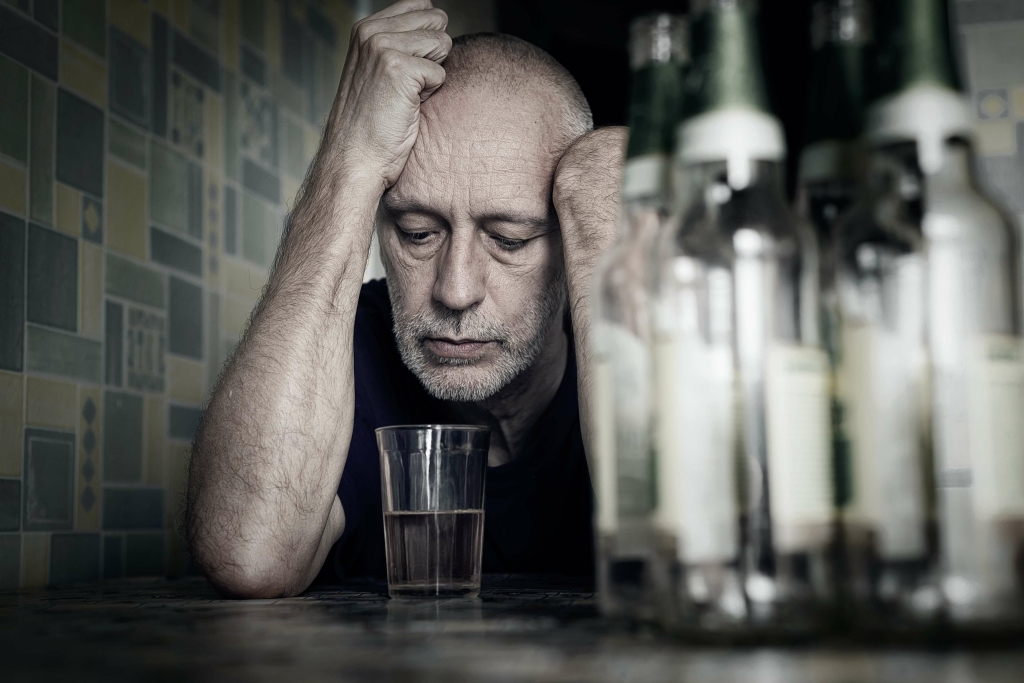
Alcohol and your body
This effect is due to a genetic condition that interferes with the metabolization of alcohol. It also found that people who drink heavily may take more risks when it comes to protecting their skin from the sun, which could lead to skin cancer. Many heavy https://pagmedica.com/symptoms-of-alcohol-poisoning-signs-risks-2/ drinkers may also be smokers – another habit that can have a detrimental impact on skin.
Alcohol’s impact on skin health
Deficiencies in vitamins B and C, zinc, and essential fatty acids can compromise skin health, making it more susceptible to irritation and itching. These nutrients play a critical role in maintaining the skin’s barrier function and reducing inflammation. Without adequate levels, the skin becomes more vulnerable to alcohol-related damage and allergic responses. While many people first think of the liver and brain when considering the effects of alcohol, its impact extends far beyond these vital organs. One significant and often overlooked area of concern is skin health. Alcohol can profoundly affect your skin, leading to a range of issues from dehydration to premature aging.
There, ethanol is converted into acetaldehyde, a highly toxic molecule, then into less harmful compounds through successive enzymatic reactions. This process is particularly energy-intensive and consumes many micronutrients, including minerals and antioxidants. These nutrients then become less available to Sober living house protect the skin from oxidative stress and from photoaging.